
The catalog shelves behind this Yupoo Spreadsheet
Sixteen illustrated product categories and practical checks for the original listing. Use the catalogue to build a shortlist, then verify the seller, variant and buying method.
Browse all 16 Spreadsheet categories
Open a category to compare listings, then save the original seller link and exact variant. Womenswear opens a keyword search; photos illustrate the type of item, not current stock or shipping acceptance.
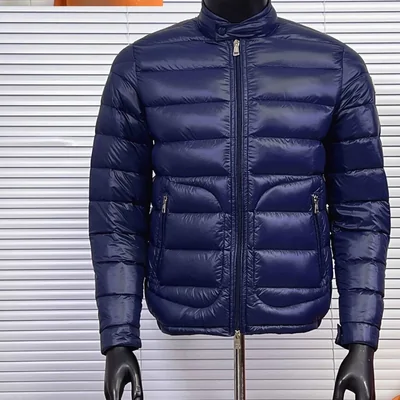
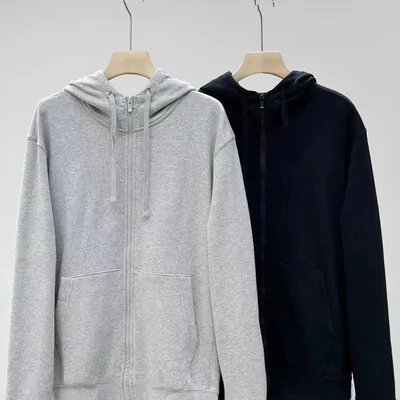
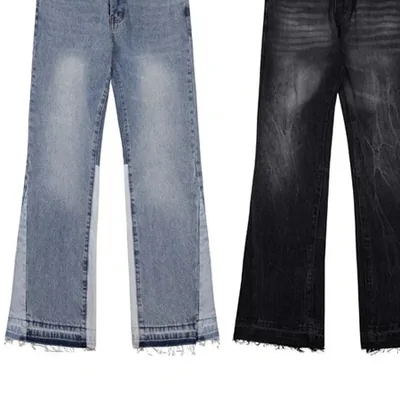
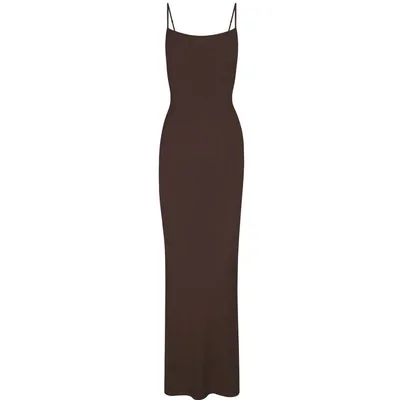
What to check within each category
The sixteen illustrated entries above lead to product categories or the womenswear search. The notes below explain what to inspect within those results. A photograph shows a type of item; it does not establish the seller’s current stock or its suitability for shipping.
- Outerwear Check chest, sleeve and packed dimensions.
- Hoodies Compare chest width, length and hood details.
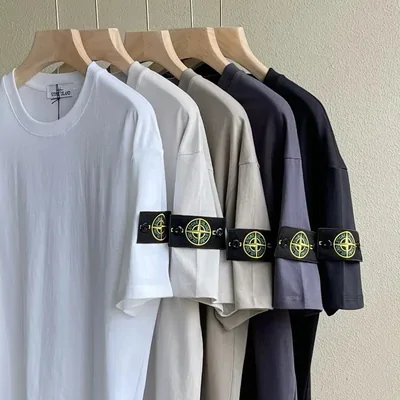
- T-shirts Check fabric, print and garment measurements.
- Jeans Compare waist, rise and inside leg.
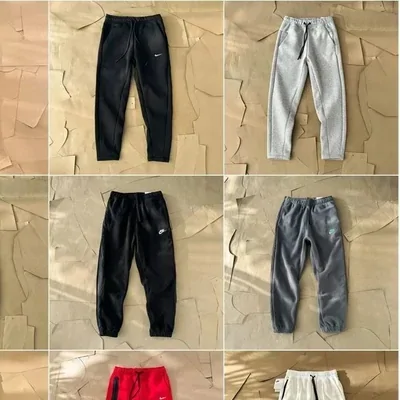
- Sweatpants Check waist, length and cuff shape.
- Womenswear Search results may mix categories; check each listing.
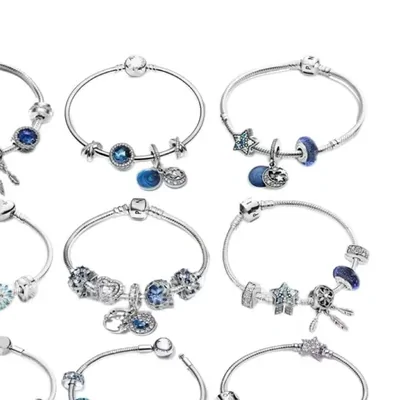
- Jewellery Check material, dimensions and fastening.
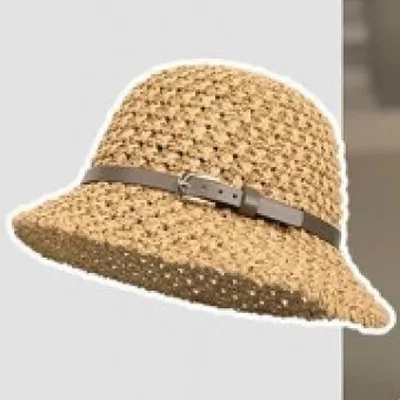
- Hats Compare head circumference and adjustment.
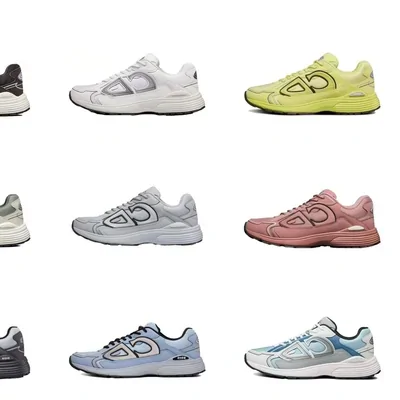
- Sneakers Compare the size chart and sole measurements.
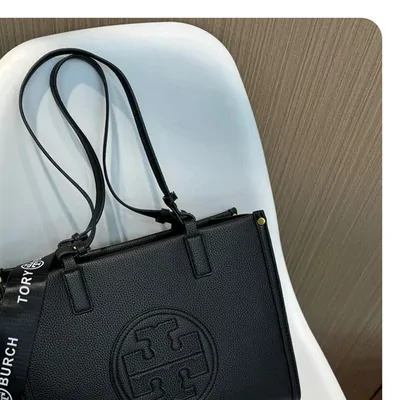
- Bags Check dimensions, straps and included pieces.
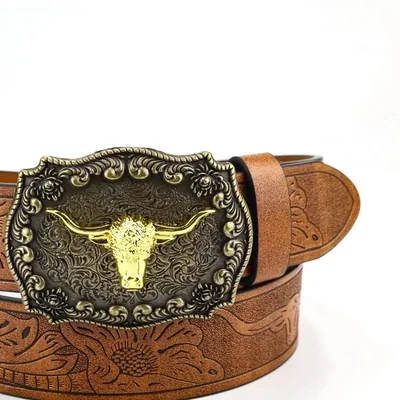
- Belts Check usable length and buckle dimensions.
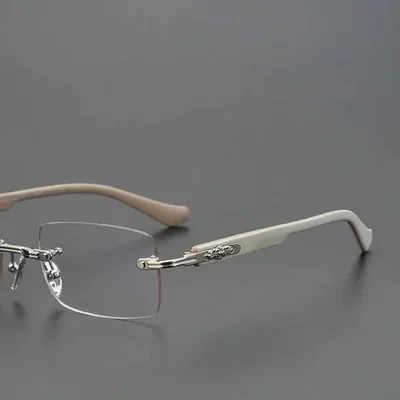
- Eyewear Confirm frame width, lenses and included case.
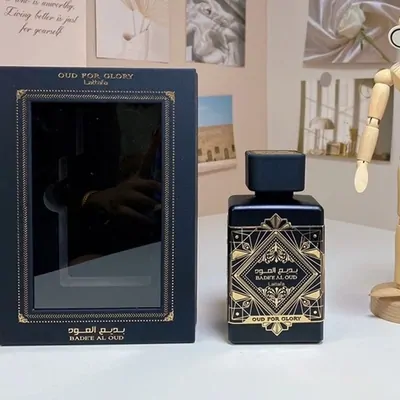
- Perfume Confirm liquid acceptance before paying.
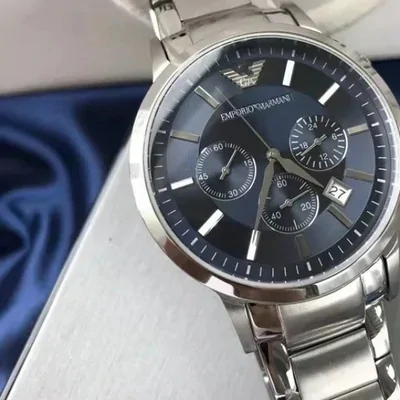
- Watches Check case size, movement and battery restrictions.
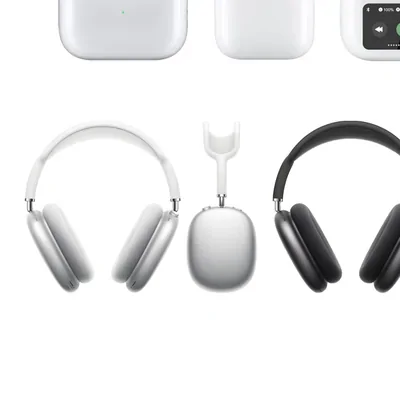
- Electronics Confirm model, voltage, battery and route acceptance.
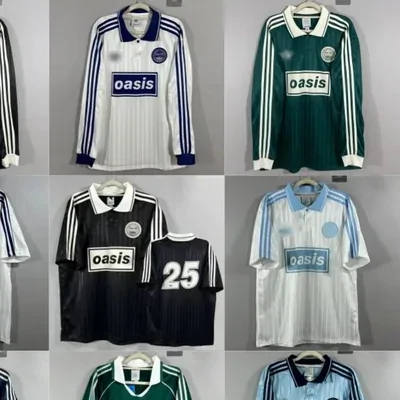
- Sports jerseys Confirm team, season, size and any personalisation.
Searches used on the home page wall, each tested on 17 October 2026 and returning listings: Lightweight down jackets, Knit sweaters, Trousers.
What a category photograph can and cannot tell you
Category images help you recognise the kind of item before you open a result. They are illustrations for browsing, not offers from this site or evidence that a seller currently has that exact item in stock.
On the original listing, compare the selected colour, material, measurements and included pieces. If the description and photo disagree, ask before paying. A familiar shape or visible mark does not establish authenticity or quality.
A catalogue, a Yupoo album and a marketplace listing serve different purposes. Keep the original seller URL and the exact variant; the guide below explains how those links connect to an order.
Holding a finds catalog to account, this one included
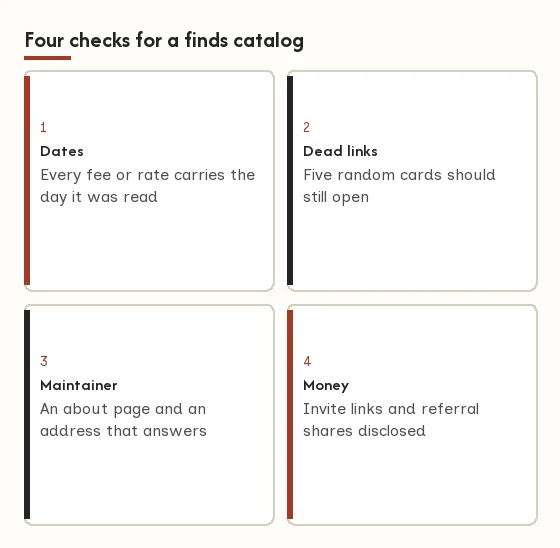
What makes a useful spreadsheet site is not the number of cards. It is whether the cards still lead somewhere, whether someone dates what they claim, and whether you can tell who runs it and how they are paid. Four checks take a minute each:
- Dates. Fees, rates and policies change. A figure without a reading date is a guess. This site dates every agent fact.
- Dead links. Open five cards at random. Shelves that land on empty pages or removed listings mean nobody is looking after the catalog.
- A named maintainer. An about page and a working address. Ours are on the about page.
- Money disclosed. Most agent links in this field are invite links. The site should say so, as ours does in the footer.
Two things should make you close the tab: an agent put first with no stated method, and scores or stars with no stated source.
Catalog shelves and Yupoo albums are different sources
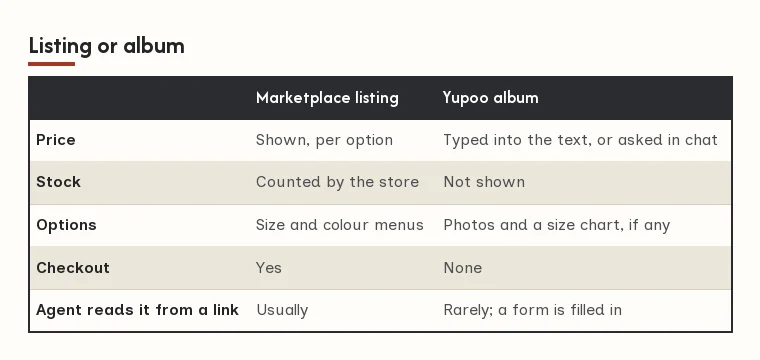
The shelves hold listings from Chinese marketplaces such as Taobao, Weidian and 1688. Those listings carry their own price, stock count and options, so an agent reads them automatically from the link. A Yupoo album is a different thing: a set of photos with a title and, if you are lucky, a price typed into the description. It is a showroom wall, and the sale happens somewhere else.
That difference decides the order form. A shelf item goes in as a link. An album item goes in as a link only when the album’s contact page points at a store listing; otherwise it goes in by hand, field by field, with the seller’s contact attached. The album settings page shows how to tell which case you are in before you start typing.
Three links that can belong to one purchase
An album link may show the item, a marketplace link may identify where it is sold, and an agent order later records what you asked to buy. Keep those references together. The album is an image presentation; it may not have a checkout, a current price or confirmed stock. The Spreadsheet is a discovery directory, not a guarantee about either the album owner or the seller.
If you find a matching marketplace listing, compare the selected version rather than only the main photo. Check size, material, quantity and included accessories. If the seller instead provides details for a manual order, record the exact item reference and agreed specification before submitting them to the agent. Do not assume that any photograph in an album is an instruction an agent can purchase without clarification.
A missing price, unclear contact or password-protected album is a reason to establish the purchase details, not proof of trust or fraud on its own. If the seller and route cannot be identified clearly enough to verify the request, pause before paying. A usable find ends with an accountable seller and a precise item, not merely an attractive image.